Common Solar System Issues And How To Fix Them
Eco Sparks Solar & Electrical Contractors • May 7, 2026
Solar energy systems have become a popular choice for homeowners and businesses looking to reduce electricity costs and improve energy efficiency. While modern systems are designed for long-term reliability, they still require maintenance and occasional troubleshooting to keep performing at their best.
Environmental conditions, ageing components and installation factors can all affect system output over time.
For property owners using
solar systems in Darwin, understanding common problems and knowing when to seek professional support can help maintain efficiency, reduce downtime and extend the life of the system.
Reduced Solar Energy Output
One of the most common concerns is a noticeable drop in energy production. This can happen gradually over time or suddenly due to an underlying issue.
Possible causes include:
- Dirt, dust or debris covering the panels
- Shading from growing trees or nearby structures
- Faulty wiring or damaged components
- Ageing solar panels with reduced efficiency
Regular inspections and panel cleaning can help maintain consistent energy generation and identify problems early.
Dirty or Obstructed Solar Panels
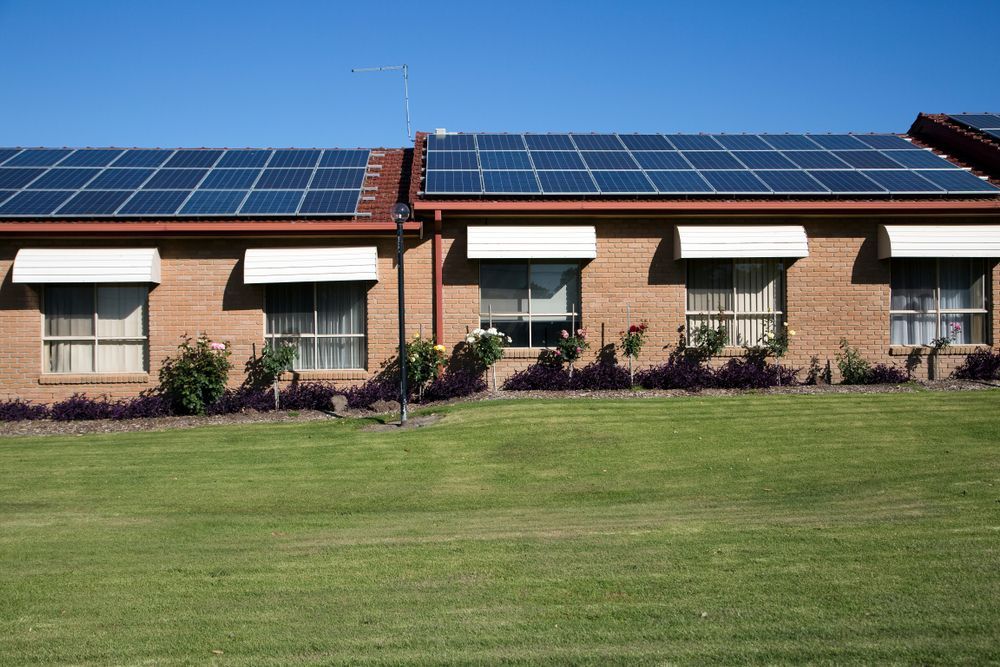
Darwin’s climate can expose solar panels to dust, leaves, bird droppings and storm debris. Even partial obstruction can affect overall system performance.
To minimise this issue:
- Visually inspect panels every few months
- Remove debris safely where accessible
- Arrange professional cleaning if panels are difficult to reach
- Trim nearby branches causing shade or leaf build-up
Keeping panels clear helps maximise sunlight exposure and energy production.
Inverter Problems
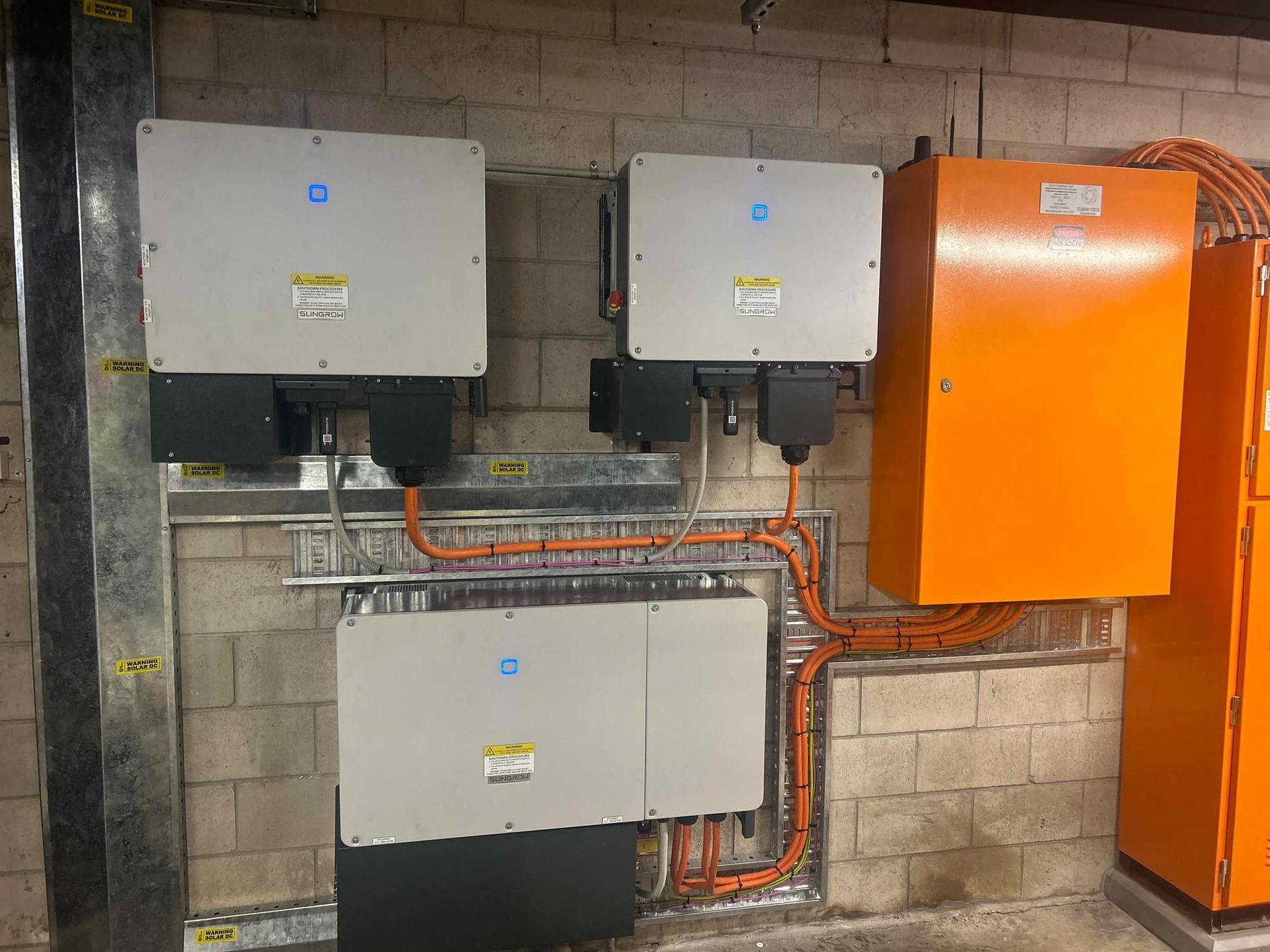
The inverter is one of the most important parts of any solar system. It converts the electricity generated by panels into usable power for the property. If the inverter fails, the system may stop producing energy altogether.
Common inverter warning signs include:
- Error messages or warning lights
- No display or intermittent shutdowns
- Sudden drops in energy output
- Unusual noises or overheating
Because inverters involve electrical components, professional assessment is recommended when faults appear.
Loose or Damaged Wiring
Solar systems rely on secure electrical connections to operate safely and efficiently. Over time, wiring can loosen due to weather exposure, pests or general wear.
Potential signs of wiring issues include:
- Intermittent system performance
- Sudden production loss
- Burning smells or visible damage
- Frequent inverter faults
Electrical faults should only be handled by licensed professionals to ensure safety and compliance.
Battery Storage Issues
For properties with solar battery storage, battery-related problems can affect how energy is stored and used throughout the day or night.
Battery issues may involve:
- Reduced storage capacity over time
- Charging problems or inconsistent discharge
- Software communication errors
- Overheating in poorly ventilated areas
Routine servicing helps ensure batteries continue operating safely and efficiently.
Weather and Storm Damage
Darwin’s tropical weather conditions can sometimes impact solar system performance. Heavy rain, high winds and storms may damage panels or external components.
Post-storm checks should include:
- Looking for visible cracks or panel damage
- Inspecting mounting hardware for movement
- Checking for loose cables or debris
- Monitoring inverter performance after severe weather
If damage is suspected, professional inspection is important before continuing normal operation.
Pest and Wildlife Interference
Birds, rodents and insects can sometimes interfere with solar systems, particularly around wiring and roof cavities. Left unchecked, this can lead to system faults or physical damage.
Common pest-related problems include:
- Birds nesting beneath panels
- Rodents chewing electrical cables
- Debris build-up affecting airflow
- Increased risk of moisture retention around components
Regular inspections can help identify pest activity early before it causes larger issues.
Hot Weather and Reduced Efficiency
Solar panels are designed to work in sunlight, but excessive heat can reduce their efficiency. High temperatures may slightly lower output during the hottest parts of the day.
To help manage heat-related performance loss:
- Ensure panels have proper airflow underneath
- Keep surrounding areas clear for ventilation
- Monitor production levels during heatwaves
- Schedule periodic system inspections
While some reduction during extreme heat is normal, significant drops may indicate another issue.
Monitoring System Performance
Many modern solar systems include monitoring apps or software that track energy production in real time. Regular monitoring makes it easier to spot changes before they become major problems.
Monitoring helps property owners:
- Compare daily and seasonal energy production
- Identify unusual drops in performance
- Track battery usage and export levels
- Detect faults earlier
Consistent monitoring supports better long-term maintenance.
When Solar Panels Reach the End of Their Lifespan
Solar panels are designed for long-term use, but performance naturally declines over many years. Ageing systems may eventually require upgrades or replacement components.
Signs a system may be ageing include:
- Gradual decline in energy generation
- Frequent faults or repairs
- Outdated inverter technology
- Difficulty sourcing replacement parts
Professional assessment can determine whether repairs or upgrades are the most practical solution.
The Importance of Professional Maintenance
While homeowners can perform basic visual checks, solar systems contain electrical components that should only be serviced by qualified technicians. Professional maintenance helps identify hidden problems before they affect system performance.
A professional service may include:
- Electrical testing and safety checks
- Inspection of mounting systems and wiring
- Inverter diagnostics and software updates
- Performance testing across the system
Routine servicing supports efficiency, safety and long-term reliability.
How Proper Installation Reduces Future Issues
Many long-term solar problems can be minimised with proper system design and installation from the beginning. Quality workmanship plays a major role in system performance and durability.
Professional solar panel installation in Darwin helps ensure:
- Panels are positioned for optimal sunlight exposure
- Electrical connections meet Australian standards
- Components are suitable for local climate conditions
- Systems are designed for long-term performance
A properly installed system is less likely to experience avoidable faults or efficiency problems.
Knowing When to Call a Professional
Some solar issues can appear minor at first but may worsen if ignored. Acting early often reduces repair costs and prevents larger system failures.
It’s best to contact a professional if you notice:
- Ongoing drops in energy output
- Warning lights or inverter alarms
- Physical damage after storms
- Unexpected increases in electricity bills
Prompt assessment helps maintain safe and efficient operation.
Ready to Work With Trusted Solar System Experts in Darwin?
From inspections and fault finding to repairs and professional solar panel installation in Darwin, our team works with homeowners and commercial property owners to keep systems performing at their best. We understand the local climate conditions and the importance of dependable solar performance year-round.
If you need advice, maintenance or support for Darwin solar systems, get in touch with us today. We’re here to help you protect your investment and maximise your energy efficiency.