Off-Grid Solar Systems in Darwin: How They Work & What Installation Involves
Eco Sparks Solar And Electrical Contractors • June 19, 2026
For homes, stations, businesses and remote properties across Darwin and the Northern Territory, reliable power is not always as simple as connecting to the grid. In some locations, grid access can be limited, expensive or unreliable, making independent energy solutions a practical alternative.
That’s where off grid systems in Darwin become valuable. An off-grid solar system allows a property to generate, store and use its own electricity without relying on the main power network. For rural homes, remote worksites, agricultural properties and new builds outside established service areas, this can provide greater energy independence and long-term control over power supply.
This guide explains how off-grid solar works, what components are required and what the installation process involves in Darwin and remote NT locations.
What Is an Off-Grid Solar System?
An off-grid solar system is a standalone power system that operates independently from the electricity grid. Instead of drawing power from a network connection, the system generates electricity using solar panels and stores excess energy in batteries for later use. These systems are commonly used for:
- Remote homes
- Rural properties
- Stations and agricultural sites
- Off-grid cabins
- Remote businesses
- New developments where grid connection is costly
Unlike standard grid-connected solar systems in Darwin, off-grid systems must be designed to meet the property’s full energy demand throughout the day and night.
How Do Off-Grid Solar Systems Work?
Off-grid systems follow a simple process. Solar panels collect sunlight and convert it into electricity. This electricity is then sent through an inverter, which converts it into usable power for your home or business. Any excess power generated during the day is stored in batteries so it can be used at night or during cloudy conditions.
In many systems, a backup generator is also included to provide extra security during extended poor weather or unusually high energy use. The goal is to create a reliable, self-sufficient power supply that supports daily energy needs without grid dependence.
Key Components of an Off-Grid System
A properly designed off-grid system includes several important components.
Solar Panels
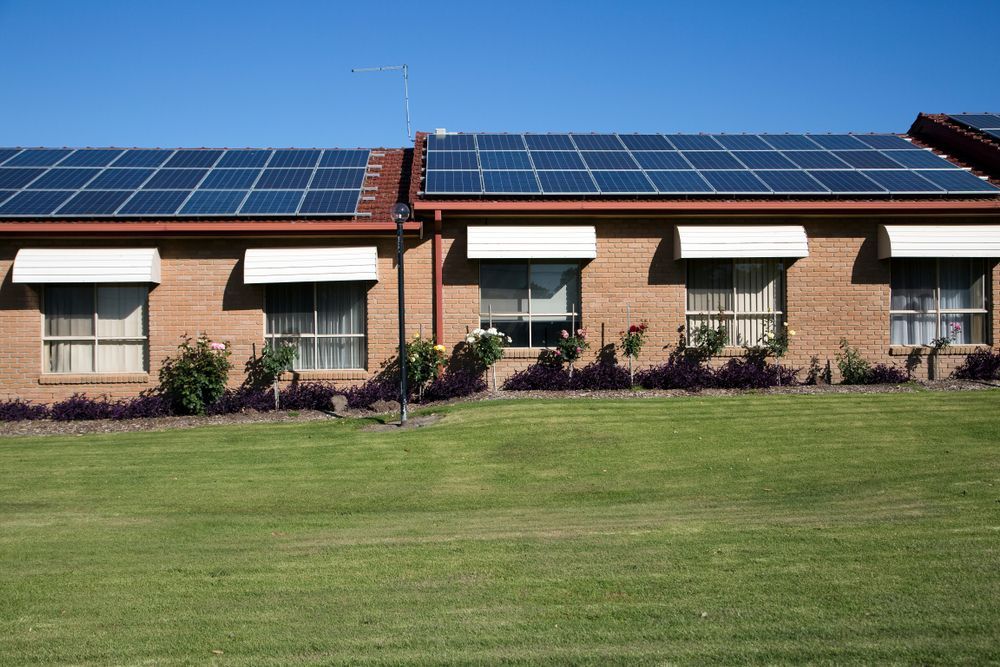
Solar panels are responsible for generating electricity from sunlight. In Darwin and the Top End, strong solar conditions make panels a highly effective energy source. The number of panels required depends on
- Daily energy usage
- Roof or ground-mount space
- Battery storage capacity
- Seasonal energy demand
Professional solar panel installation in Darwin ensures panels are positioned and installed for maximum performance.
Battery Storage
Batteries store excess solar energy for use when the sun is not shining. Battery capacity is one of the most important parts of off-grid system design. If the battery bank is too small, the property may run out of stored power overnight or during poor weather. Battery sizing depends on:
- Household or business energy usage
- Number of occupants
- Appliance loads
- Desired backup capacity
- Generator use
Inverter
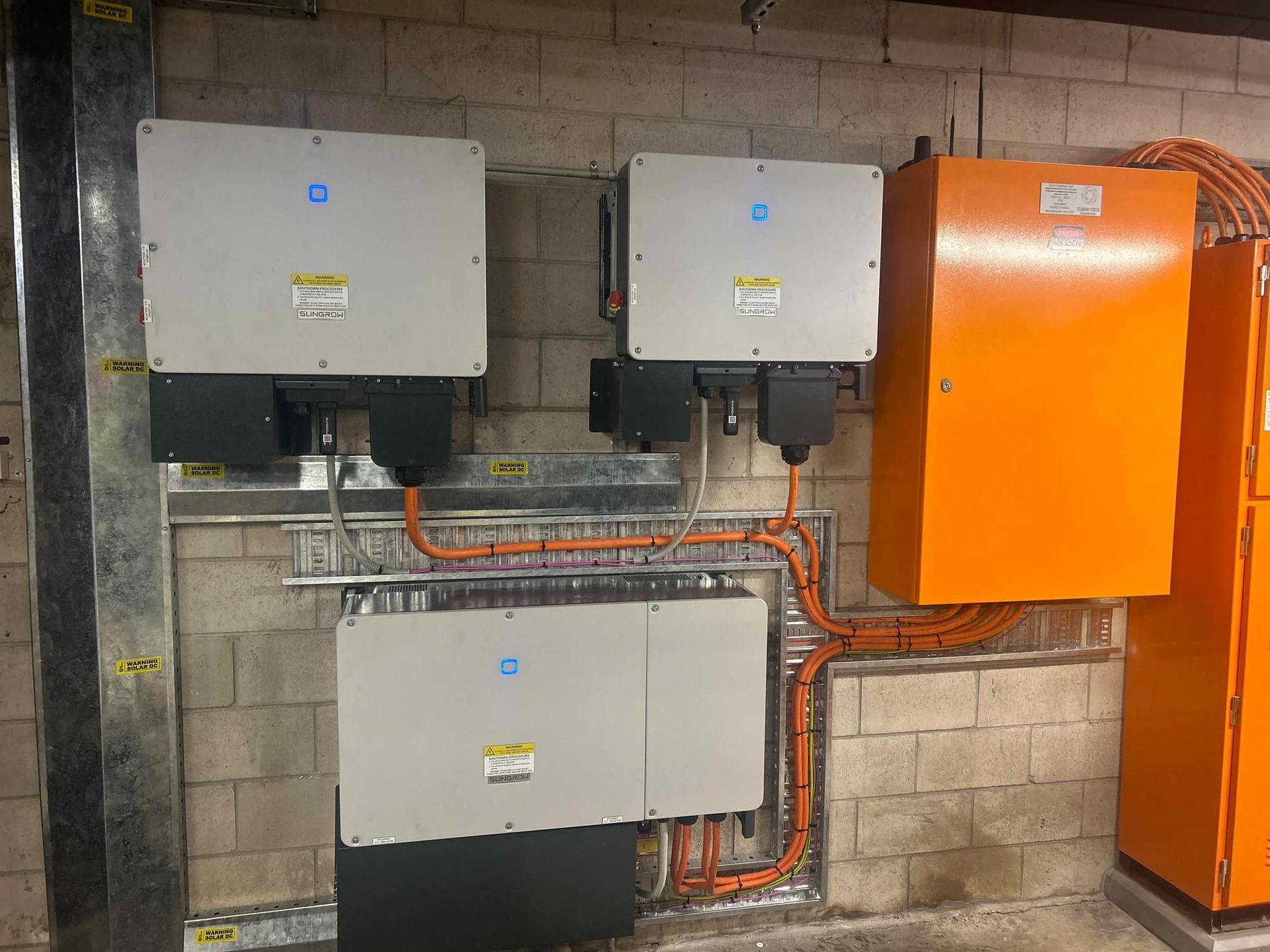
The inverter converts solar and battery power into electricity that can be used by standard appliances. Off-grid inverters are designed to manage energy flow between panels, batteries, appliances and backup power sources. Choosing the right inverter is essential for safe and reliable system performance.
Backup Generator
Many off-grid systems include a generator as an additional safeguard. A generator can provide backup power when:
- Battery levels are low
- Weather reduces solar production
- Energy demand increases unexpectedly
For remote NT properties, backup power can provide valuable peace of mind.
Monitoring System
Modern off-grid systems often include monitoring technology that allows property owners to track:
- Solar production
- Battery charge levels
- Energy usage
- System performance
This helps users better understand their energy habits and manage power more efficiently.
What Does Off-Grid Solar Installation Involve?
Installing Darwin solar systems for off-grid use requires careful planning and professional design. Because the system is not connected to the grid, it must be capable of supporting the property’s energy needs independently.
Step 1: Site Assessment
The process begins with a detailed site assessment. This may include reviewing:
- Property location
- Roof orientation
- Shading
- Available installation space
- Existing electrical systems
- Access conditions
Remote NT sites may also require additional planning around transport, equipment delivery and installation logistics.
Step 2: Energy Usage Review
Before system design begins, your installer will assess how much energy the property uses. This includes considering:
- Lighting
- Refrigeration
- Air conditioning
- Pumps
- Tools and equipment
- Communications systems
- Household appliances
Understanding energy demand is critical for selecting the right panel capacity, battery size and inverter configuration.
Step 3: System Design
Once energy use and site conditions are understood, the system can be designed. A professional off-grid design considers:
- Daily energy consumption
- Peak power demand
- Battery autonomy
- Backup generator requirements
- Future expansion needs
This step ensures the system is practical, safe and suitable for long-term use.
Step 4: Installation
Installation typically involves:
- Mounting solar panels
- Installing batteries
- Connecting inverters
- Setting up backup generator integration if required
- Completing electrical connections
- Installing monitoring systems
Professional installation is essential to ensure safety, compliance and reliable performance.
Step 5: Testing and Commissioning
Once installed, the system is tested to confirm it is operating correctly. This may include checking:
- Solar output
- Battery charging
- Inverter function
- Generator backup
- Safety systems
- Monitoring setup
The installer should also explain how to monitor and manage the system.
How Do You Choose the Right System Size?
The right off-grid system size depends on how much energy your property uses and how much independence you need. Key questions include:
- How much electricity do you use each day?
- Do you run air conditioning?
- Are there pumps, tools or machinery on site?
- How many days of backup battery power do you want?
- Will a generator be used as a backup?
A remote home with basic appliances may need a smaller setup, while a business, station or high-use household may require a larger system with greater battery capacity.
Professional advice is important because undersized systems can lead to reliability issues, while oversized systems may increase upfront costs unnecessarily.
Benefits of Off-Grid Solar in Darwin and the NT
Off-grid solar offers several advantages for properties across the Top End.
Energy Independence
You are not reliant on grid access or network reliability.
Lower Long-Term Running Costs
Although upfront costs can be higher than standard systems, off-grid solar can reduce ongoing fuel or grid connection expenses over time.
Reliable Power in Remote Areas
For properties where grid connection is unavailable or costly, off-grid systems provide a practical power solution.
Scalable Design
Systems can often be designed with future expansion in mind as energy needs change.
Better Control Over Energy Use
Monitoring tools allow property owners to track and manage electricity consumption more effectively.
Is Off-Grid Solar Right for Your Property?
Off-grid solar may be suitable if:
- Your property is remote
- Grid connection is expensive
- You want energy independence
- You need reliable power for a rural or business site
- You are building in an area without existing infrastructure
The best way to determine suitability is through a professional site and energy assessment.
Start Planning Your Off-Grid Power Solution
Off-grid solar systems can provide reliable, independent power for homes, businesses and remote properties across Darwin and the Northern Territory. By combining solar panels, battery storage, inverters and backup power, these systems are designed to support practical energy independence in areas where grid access may be limited or costly.
If you are considering off grid systems in Darwin, professional design and installation are essential. At Eco Sparks Solar & Electrical Contractors, we provide tailored off-grid solar solutions designed around your energy needs, property layout and long-term goals.
To learn more about off-grid system options, contact us or visit our off grid systems page and explore how independent solar power could work for your property.