Solar System Maintenance in Darwin: Keeping Your Panels Efficient Through the Wet Season
Eco Sparks Solar & Electrical Contractors • July 6, 2026
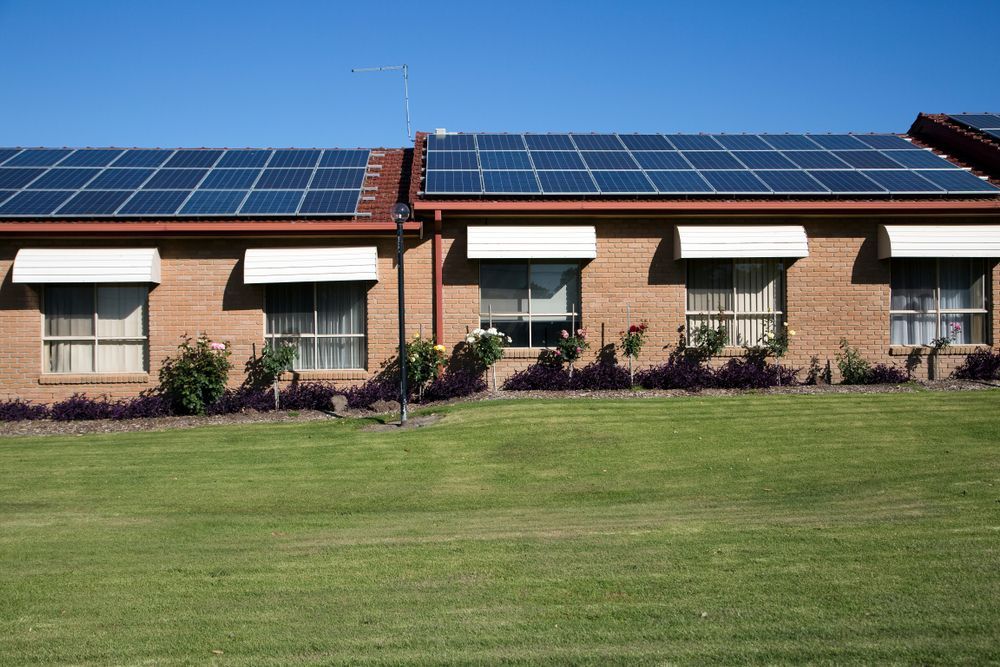
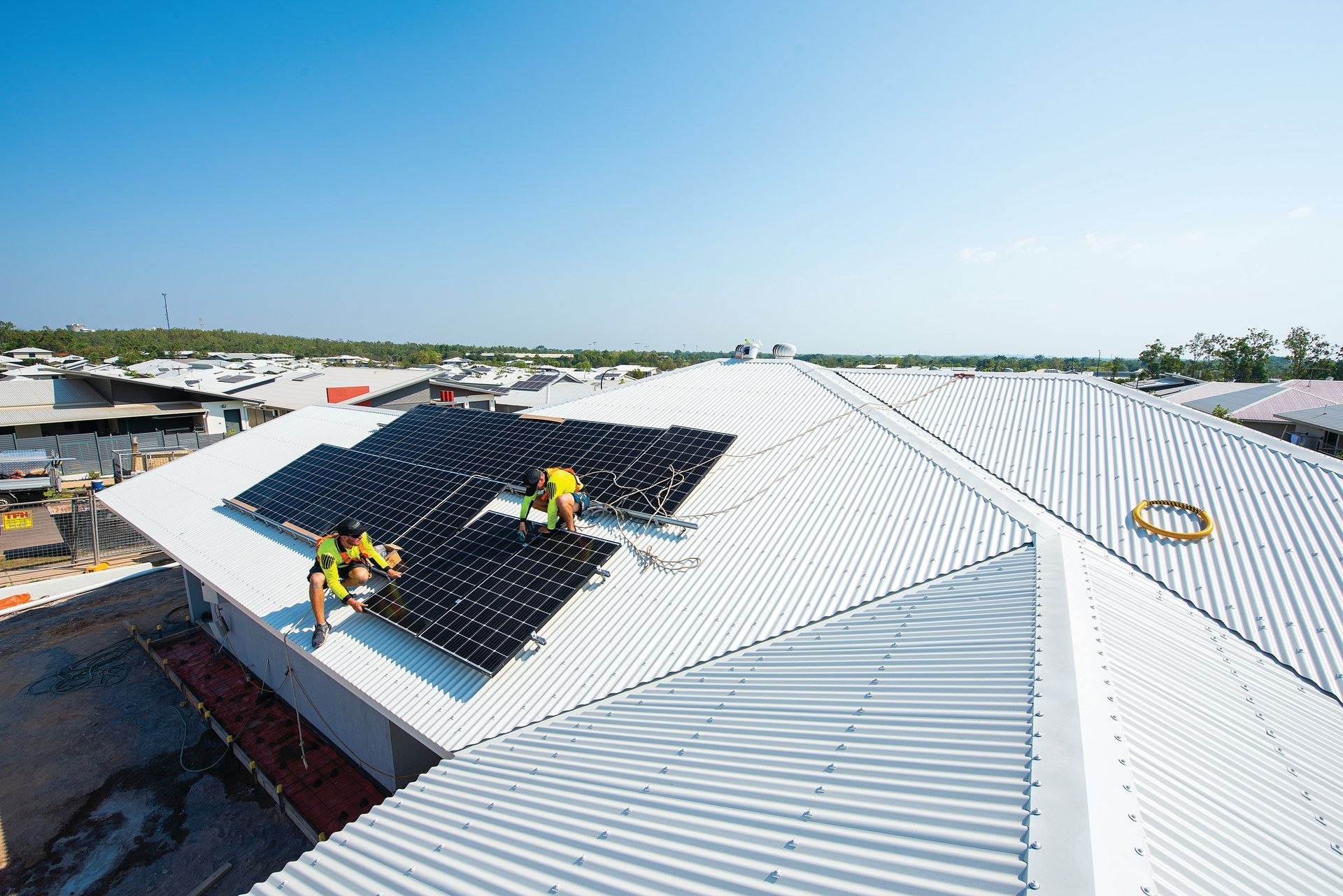
There's a familiar shift in the air every year around October. The humidity climbs, the afternoon clouds start building and before long the first proper storm of the season rolls through. For anyone with rooftop solar, it's also the time of year when a system that has worked hard through months of dry, dusty conditions is about to face a very different set of challenges. Heavy rain, high winds, airborne debris and constant moisture all place demands on solar panels and the equipment behind them. A little preparation and a sensible maintenance routine can make a real difference to how well a solar system in Darwin performs through the wettest months and beyond.
Why the Wet Season Puts Solar Systems Under Pressure
Solar systems in Darwin operate in one of the more demanding climates in the country. The build-up and the wet bring a combination of conditions that test every part of an installation, from the panels themselves down to the cabling and switchboard connections. Individually, each factor is manageable. Together, they can accelerate wear and expose weaknesses that went unnoticed during the dry.
- Prolonged humidity encourages corrosion on exposed metal fittings & connections
- Repeated heating & cooling cycles can loosen fasteners & stress seals over time
- Frequent storms increase the chance of physical damage from wind-blown debris
- Persistent cloud cover reduces generation, making any existing faults harder to spot
Understanding these pressures is the first step towards managing them. A system that enters the season in good condition is far less likely to develop problems midway through it.
How Heavy Rain & Humidity Affect Panel Performance
It's true that a decent downpour can rinse away much of the dust and pollen that settles on panels during the dry months, and that free clean is genuinely useful. Rain is not a complete solution, though. Water tends to leave behind residue, and the sheltered lower edges of panels often collect a stubborn film of grime that showers never quite shift. Meanwhile, the moisture itself creates issues of its own.
- Mineral deposits & dirt streaks can remain on glass surfaces after rain dries
- Humidity can find its way into junction boxes, isolators & connectors with degraded seals
- Moisture ingress may lead to earth faults, nuisance tripping or gradual output decline
- Mould & organic growth can take hold on shaded sections of a roof array
None of these problems announces itself loudly. Most develop quietly over weeks or months, which is why periodic checks matter so much in a tropical climate.
Storm Risks: Wind, Debris & Lightning
Storm activity is part of life during the build-up and the wet, and a solar array sits right in the firing line on the roof. Panels and mounting systems are engineered for harsh weather, yet no installation is immune to what a severe storm can throw at it. After any significant weather event, it's worth taking stock of the system's condition.
- Wind-blown branches, palm fronds & debris can crack glass or scratch panel surfaces
- Strong gusts may loosen mounting hardware or shift panels out of alignment
- Nearby lightning strikes can damage inverters & other sensitive electronics
- Water pooling around roof penetrations may point to compromised seals
Visible damage is only part of the picture. Hairline cracks and stressed connections can be difficult to detect from the ground, which is where a proper inspection by a licensed electrician comes into its own.
Preparing Your System Before the Wet Season Arrives
The months leading into the wet are the ideal window for maintenance. Conditions are dry, roofs are safer to access and any issues found can be resolved before the storms arrive. Owners of Darwin solar systems who schedule a pre-season service each year tend to head into the wet with far fewer unknowns hanging over their investment.
- Panel cleaning to remove the season's accumulated dust, salt & organic matter
- Inspection of mounting frames, clamps & roof fixings for corrosion or movement
- Testing of wiring, isolators & connections for wear, moisture damage or loose terminals
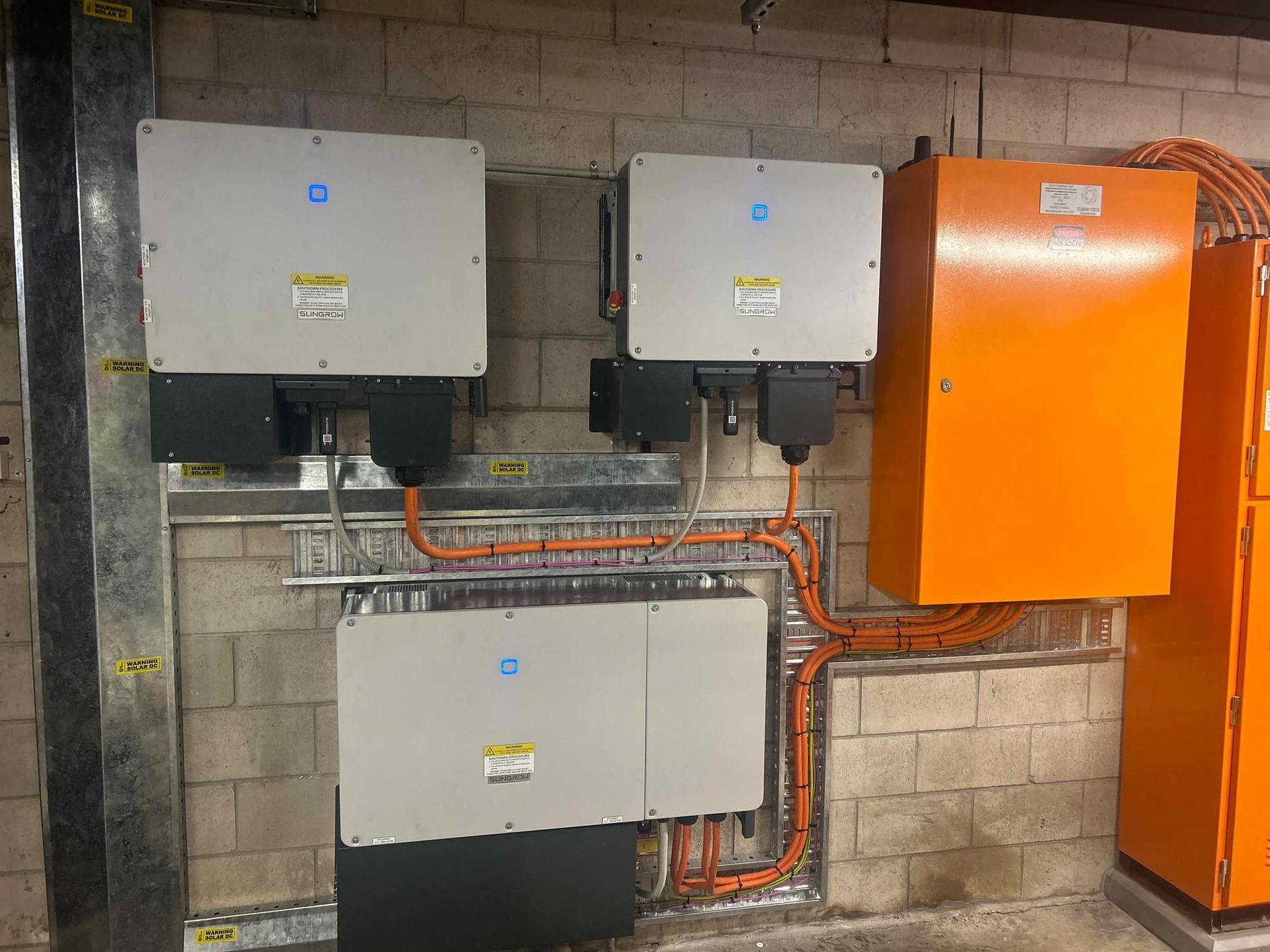
- Inverter checks, including firmware updates & a review of recorded fault history
- Trimming back overhanging branches that could strike the array in high winds
Think of it as the solar equivalent of servicing the car before a long road trip. It's far easier to address small issues in the driveway than on the side of the highway.
Keeping an Eye on Things During the Wet
Once the rain sets in, hands-on maintenance takes a back seat and observation becomes the priority. Most modern inverters offer monitoring through an app or web portal, and this is the season when that data earns its keep. Reduced sunlight naturally lowers generation, but the numbers should still follow a broadly predictable pattern for the conditions.
- Compare daily output against similar overcast days rather than dry-season figures
- Watch for sudden drops in generation that don't match the weather
- Take note of inverter error codes or repeated shutdowns & record when they occur
- After major storms, check visually from ground level for obvious damage or debris
If something looks off, resist the urge to climb onto a wet roof or open electrical enclosures. Solar systems carry live DC voltage whenever there's daylight, and any physical investigation should be left to a licensed electrician.
What to Check Once the Skies Clear
The end of the wet is the second key maintenance window of the year. Months of rain, wind and humidity will have tested every seal and fixing on the roof, and a post-season review picks up anything the weather has left behind. If your solar panel installation in Darwin has just weathered its first full wet season, this check is particularly worthwhile.
- A thorough clean to remove mould, water staining & storm debris
- Inspection of seals, conduits & junction boxes for signs of water ingress
- Torque checks on mounting hardware that may have loosened in high winds
- A performance review comparing current output against the system's expected baseline
Catching wet-season damage early prevents it compounding through the following dry, when the system should be generating at its strongest.
The Role of Ongoing Performance Monitoring
Between formal inspections, monitoring is the most useful tool an owner has. A solar system rarely fails all at once. Far more often, output drifts downward gradually as a connection corrodes, a panel degrades or shading creeps across the array. Regular attention to generation data turns those slow declines into something visible and actionable.
- Set a habit of reviewing generation figures weekly rather than waiting for a power bill surprise
- Learn your system's typical daily range for each season so anomalies stand out
- Use monitoring alerts where your inverter platform supports them
- Keep a simple log of any faults, outages or unusual readings to share with your electrician
Good records also make servicing quicker and more targeted, because the technician arrives already knowing where to look.
How Regular Inspections Support Long-Term Reliability
As a general guide, a full inspection by a licensed electrician once a year is a sensible baseline, with many owners in tropical regions opting for a pre-wet and post-wet check instead. If it has been several years since your system was last looked at, or if a solar system installation in Darwin came with the property when you bought it and its service history is a mystery, an inspection is overdue. Regular servicing supports safety as much as output, since electrical faults hidden on a rooftop can pose risks that go well beyond lost generation. Panels are often warrantied for decades, but the system around them only reaches that lifespan when the wiring, hardware and inverter are maintained along the way.
Ready to Get Your System Wet-Season Ready?
At Eco Sparks Solar & Electrical Contractors, we understand what Darwin's climate asks of a solar system. From the dust and salt of the dry to the storms and humidity of the wet, the Top End puts rooftop solar through a yearly cycle that few other places in Australia can match. Whether your panels are due for a clean, your inverter is throwing error codes or your system simply hasn't been inspected in years, our licensed team can carry out the checks, maintenance and repairs that keep your investment producing. Get in touch today to book a solar service before the next wet season arrives.